You sit down at a slot machine. The lights are flashing, the reels are spinning, and for a moment, time slows down. You're not just pulling a lever—you're buying a ticket to a fantasy where your next spin could change everything. But why does this experience feel so compelling? The answer lies in a complex mix of psychology, mathematics, and game design that's been refined over decades. In this article, we'll explore the inner workings of slots, table games, and sports betting, and offer practical advice to keep the fun from turning into a financial drain.
The Addictive Mechanics of Modern Slots
Slot machines are often called the crack cocaine of gambling, and for good reason. They're designed to hook players with rapid cycles of anticipation and reward. Unlike table games where social interaction and skill can slow the pace, slots offer a solitary, fast-paced experience. The average spin takes just 3-5 seconds, meaning you can make hundreds of decisions in an hour. That speed is a key factor in their addictive potential.
But it's not just speed. The variability of rewards plays a huge role. Psychologists call it variable ratio reinforcement—the same principle that makes social media feeds so compelling. You never know when the next win will come, so you keep playing. And when you do win, the payout is often small relative to your total spend, but it's enough to trigger a dopamine release that keeps you coming back.
Game designers also use near-misses to keep you engaged. A near-miss is when two matching symbols land on the payline and the third stops just short. Studies show that near-misses activate the same brain regions as actual wins, creating a sense of almost winning that encourages continued play. In one study, near-misses increased the motivation to keep playing by up to 30%.
Another trick is the illusion of control. Features like 'skill stop' buttons or bonus rounds where you choose from a set of options give players a false sense that they can influence the outcome. In reality, the random number generator (RNG) determines everything, but the feeling of control is enough to keep you invested.
Table Games and the Illusion of Skill
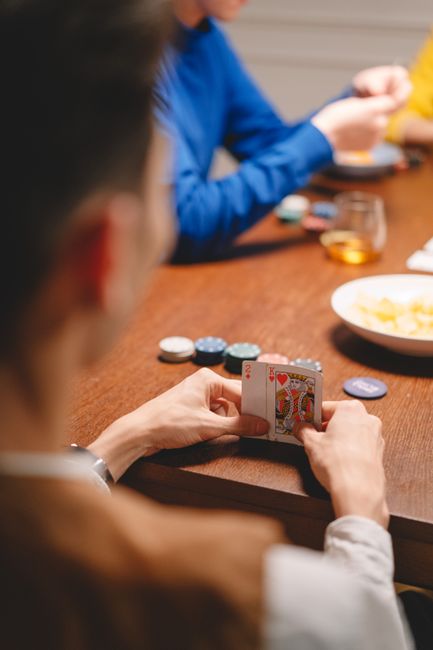
Poker and blackjack sit on the opposite end of the spectrum. They're slower, involve strategy, and often have a social element. But they're not immune to psychological pitfalls. In poker, the concept of tilt—a state of mental confusion or frustration that leads to suboptimal play—is well-known. Even seasoned pros can fall victim to it after a bad beat. See slot depo 5k for a side-by-side comparison.
Blackjack, with its basic strategy, gives players a sense of mastery. But the house edge is always there, and card counting, while theoretically profitable, requires immense discipline and is banned by most casinos. The skill element can create an overconfidence bias, where players believe they can beat the game through sheer will, ignoring the math.
For sports betting, the rise of daily fantasy sports and in-play betting has blurred the lines between skill and chance. The sheer volume of data and statistics available can give bettors a false sense of expertise. But even the sharpest handicappers experience losing streaks. The key is bankroll management—something we'll discuss later.
Understanding RNGs and House Edge
Every casino game is built on a mathematical foundation that ensures the house makes a profit over time. For slots, the random number generator (RNG) continuously generates thousands of numbers per second, even when the machine isn't being played. When you hit spin, the RNG stops and the corresponding symbols are displayed. This means each spin is independent of the last, debunking the myth of 'hot' or 'cold' machines.
The house edge for slots can range from 2% to 15%, depending on the game and the casino. For example, a slot with a 95% RTP (return to player) gives the house a 5% edge. Over time, this means that for every $100 wagered, the casino expects to keep $5. In poker, the house makes its money through the rake—a percentage of each pot. In sports betting, it's the vig—the commission built into the odds.
Understanding these numbers is crucial. They're not just abstract stats; they determine how long your bankroll will last. A higher house edge means faster losses, so it pays to choose games with lower edges when possible.
Bankroll Management: The Unsung Hero
Ask any professional gambler, and they'll tell you that bankroll management is the most important skill. It's not about how much you win, but how you manage what you have. Here are some practical tips:
- Set a budget: Decide beforehand how much you're willing to lose and stick to it. Never chase losses.
- Use unit sizing: In sports betting, a common strategy is to bet 1-2% of your bankroll on a single wager. For slots, set a loss limit per session.
- Take breaks: Gambling can be intense. Regular breaks help you maintain perspective and avoid tilt.
- Track your play: Keep a log of your wins and losses. This gives you a clear picture of your actual performance.
Remember, gambling is entertainment, not a way to make money. The moment it stops being fun, it's time to stop.
When Fun Turns into a Problem
Problem gambling is a serious issue that affects millions worldwide. Warning signs include:
- Lying about your gambling
- Chasing losses with more bets
- Neglecting work, family, or hobbies
- Borrowing money to gamble
- Feeling restless or irritable when trying to cut back
If you recognize these signs in yourself or someone you know, it's important to seek help. Many organizations offer support, and most casinos have self-exclusion programs. In the UK, for example, GamCare provides free counseling and support. In the US, the National Council on Problem Gambling operates a helpline.
Conclusion: The House Always Wins, But You Can Play Smart
The world of iGaming is a fascinating blend of psychology, math, and entertainment. The games are designed to be engaging, sometimes to a fault. But by understanding the mechanics—from RNGs to house edge—you can approach gambling with a clear head. Remember, the house always has an edge, but that doesn't mean you can't enjoy the ride. Set limits, stick to them, and never bet more than you can afford to lose. After all, the best win is the one you walk away with.